Understanding Pool Regulations in Clark County: What You Need to Know
TS
When it comes to owning a pool in Clark County, understanding local regulations is crucial for ensuring safety and compliance. The county has specific guidelines that pool owners must follow to protect themselves and their community. Whether you're a new pool owner or looking to upgrade your existing setup, familiarizing yourself with these regulations is a must.
General Safety Requirements
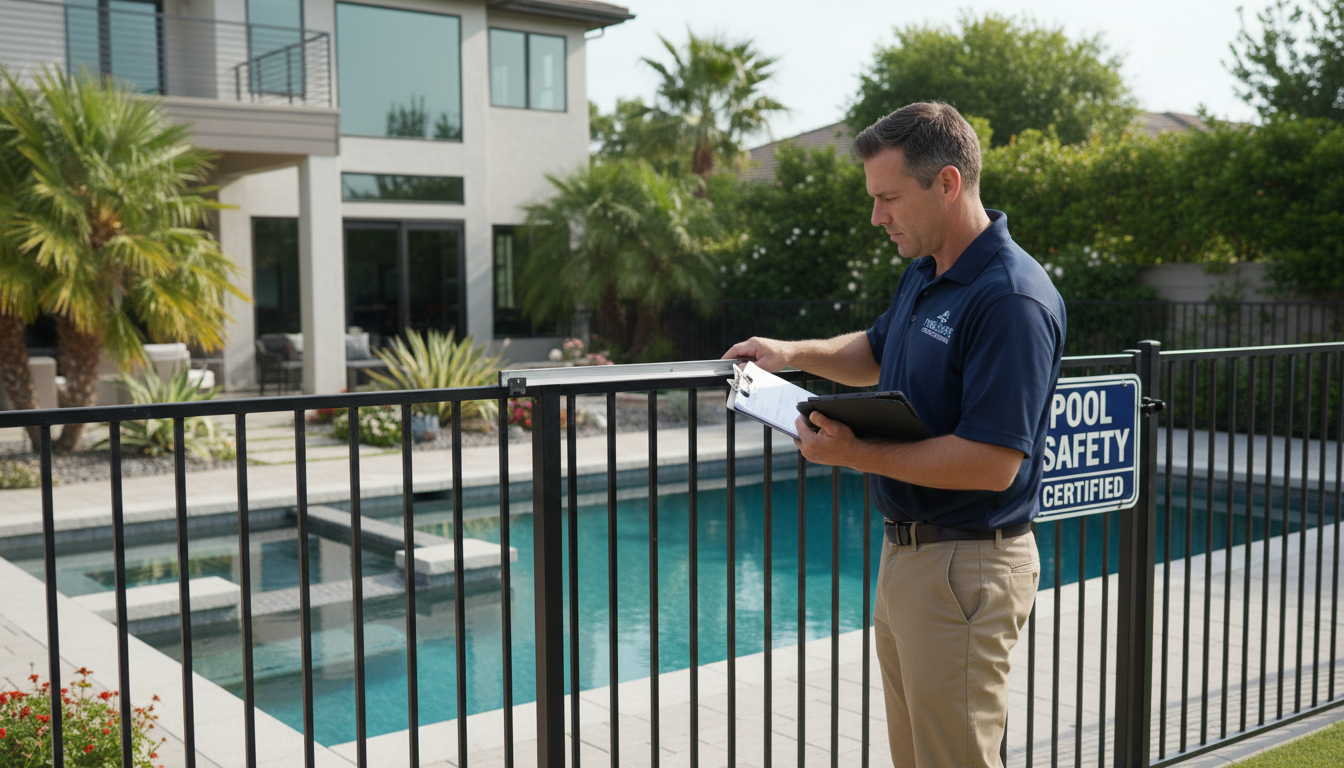
The first step in complying with Clark County pool regulations is understanding the general safety requirements. These rules are designed to prevent accidents and ensure that everyone can enjoy their time in the pool safely. One of the most important aspects is installing a proper barrier around the pool area. This barrier must be at least four feet high and should include a self-latching gate.
Additionally, pool owners are required to keep lifesaving equipment nearby. This includes items like life rings, reaching poles, and a first-aid kit. Ensuring that these tools are easily accessible can make a significant difference in the event of an emergency.
Water Quality Standards
Maintaining water quality is another critical aspect of pool ownership in Clark County. The county mandates regular testing to ensure that the water is safe for swimming. Pool owners should regularly check the pH levels and ensure they fall within the recommended range of 7.2 to 7.8. Chlorine levels must also be monitored to prevent the growth of harmful bacteria.

Regular maintenance and cleaning of the pool are equally important. This involves removing debris, vacuuming the pool floor, and cleaning the filters. By adhering to these standards, pool owners can provide a safe swimming environment for everyone.
Electrical and Equipment Regulations
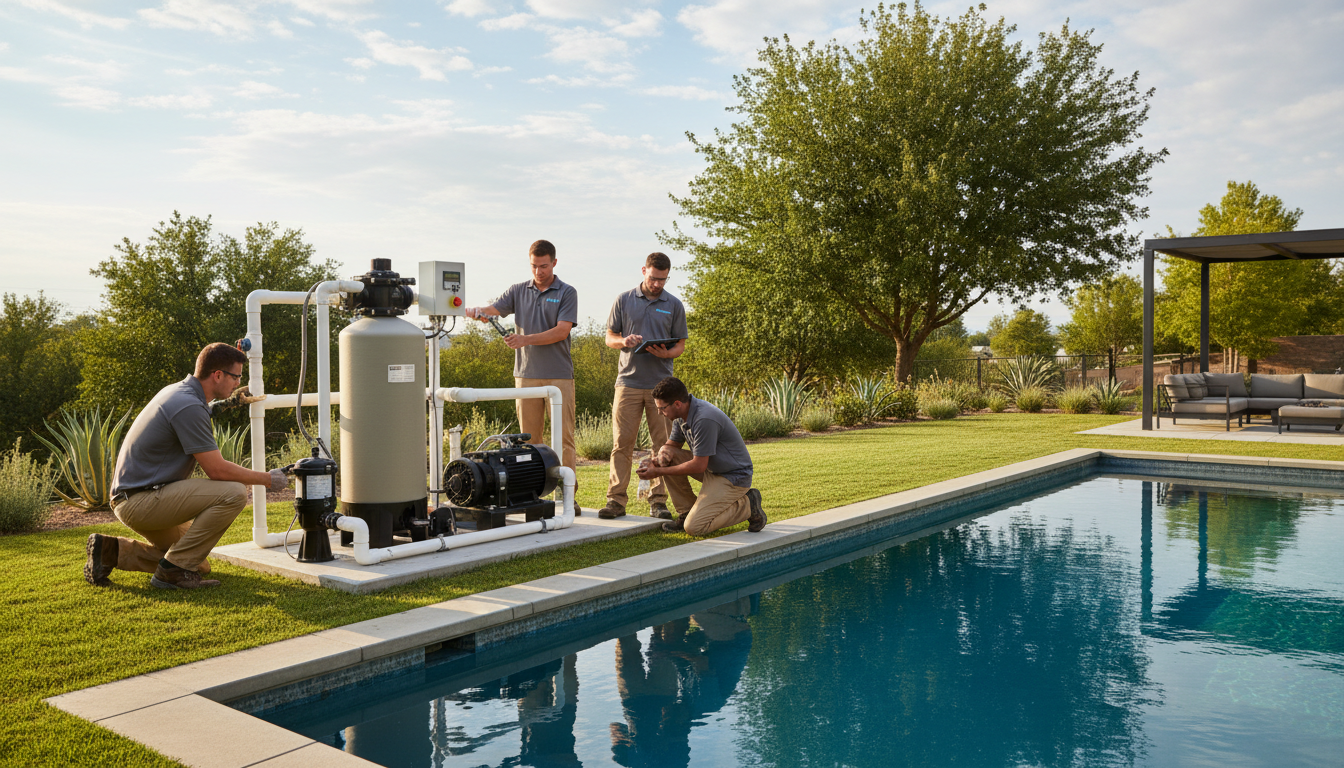
Clark County also enforces strict guidelines regarding the electrical systems and equipment associated with pools. All electrical installations must meet the National Electrical Code (NEC) standards to prevent hazards. This includes proper grounding and bonding of all electrical components.
Moreover, pool equipment such as pumps and heaters must be installed according to manufacturer instructions and local codes. Regular inspections are recommended to ensure that all equipment is functioning correctly and safely.
Permits and Inspections
Before building or renovating a pool, obtaining the necessary permits is essential. Clark County requires permits for any new pool construction, significant repairs, or changes to existing structures. The permitting process ensures that all plans comply with local building codes and safety standards.
Once a pool is constructed, regular inspections by county officials may be conducted to ensure ongoing compliance with regulations. Being proactive and scheduling these inspections can help avoid potential fines or legal issues.
Conclusion
Understanding and adhering to Clark County's pool regulations is essential for any pool owner. By following these guidelines, you not only ensure compliance but also contribute to the safety and enjoyment of everyone who uses your pool. Stay informed, conduct regular maintenance, and always prioritize safety to make the most of your pool experience.