DIY Pool Cleaning Tips for Clark County Residents
TS
Understanding Your Pool Cleaning Needs
For residents of Clark County, maintaining a sparkling clean pool is a high priority, especially during the warm months. Regular cleaning not only ensures a pleasant swimming experience but also prolongs the life of your pool. Understanding your pool’s specific needs based on its size, location, and usage is the first step to effective maintenance.
While professional cleaning services are available, many homeowners opt for a DIY approach to save money and maintain control over the process. With the right tools and techniques, you can keep your pool pristine without much hassle.
Essential Pool Cleaning Tools
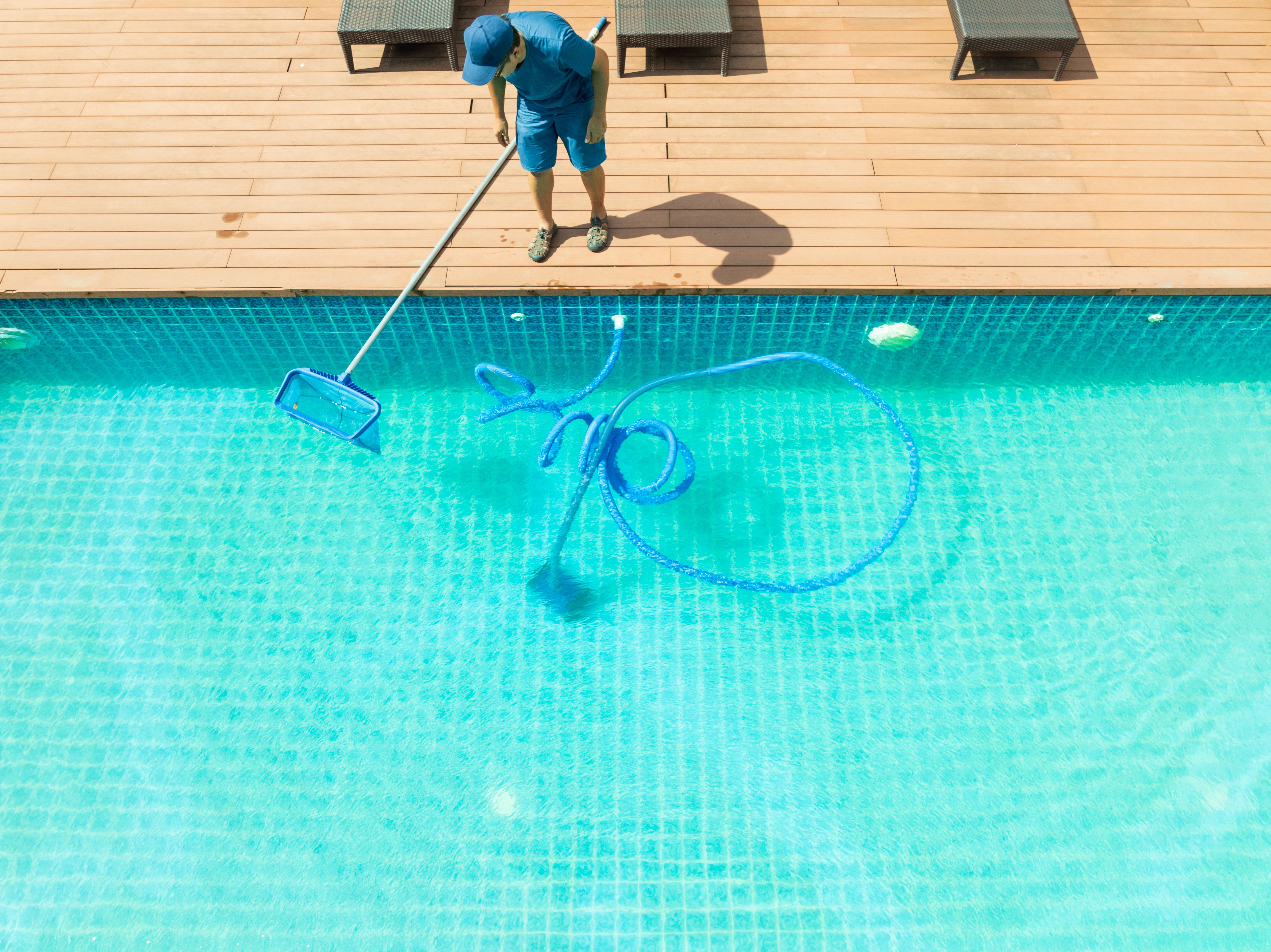
Before diving into the cleaning process, gather the necessary tools. The basics include a skimmer net, pool brush, vacuum, and water testing kit. Each of these tools plays a crucial role in maintaining your pool's cleanliness and balance.
Skimmer nets are ideal for removing leaves and debris from the surface, while pool brushes help scrub away algae and dirt from the walls and floor. A pool vacuum is essential for more thorough cleaning, ensuring no dirt is left behind.
Regular Skimming and Brushing
Skimming your pool daily can prevent debris from sinking and becoming more difficult to remove. Use your skimmer net to catch leaves, bugs, and other surface debris. Regular skimming reduces the workload of your pool's filtration system, enhancing its efficiency.
Brushing the walls and floor of your pool should be done at least once a week. This process helps prevent algae buildup and keeps the surfaces smooth and clean. Pay special attention to areas with poor water circulation, such as steps and corners.
Vacuuming Your Pool
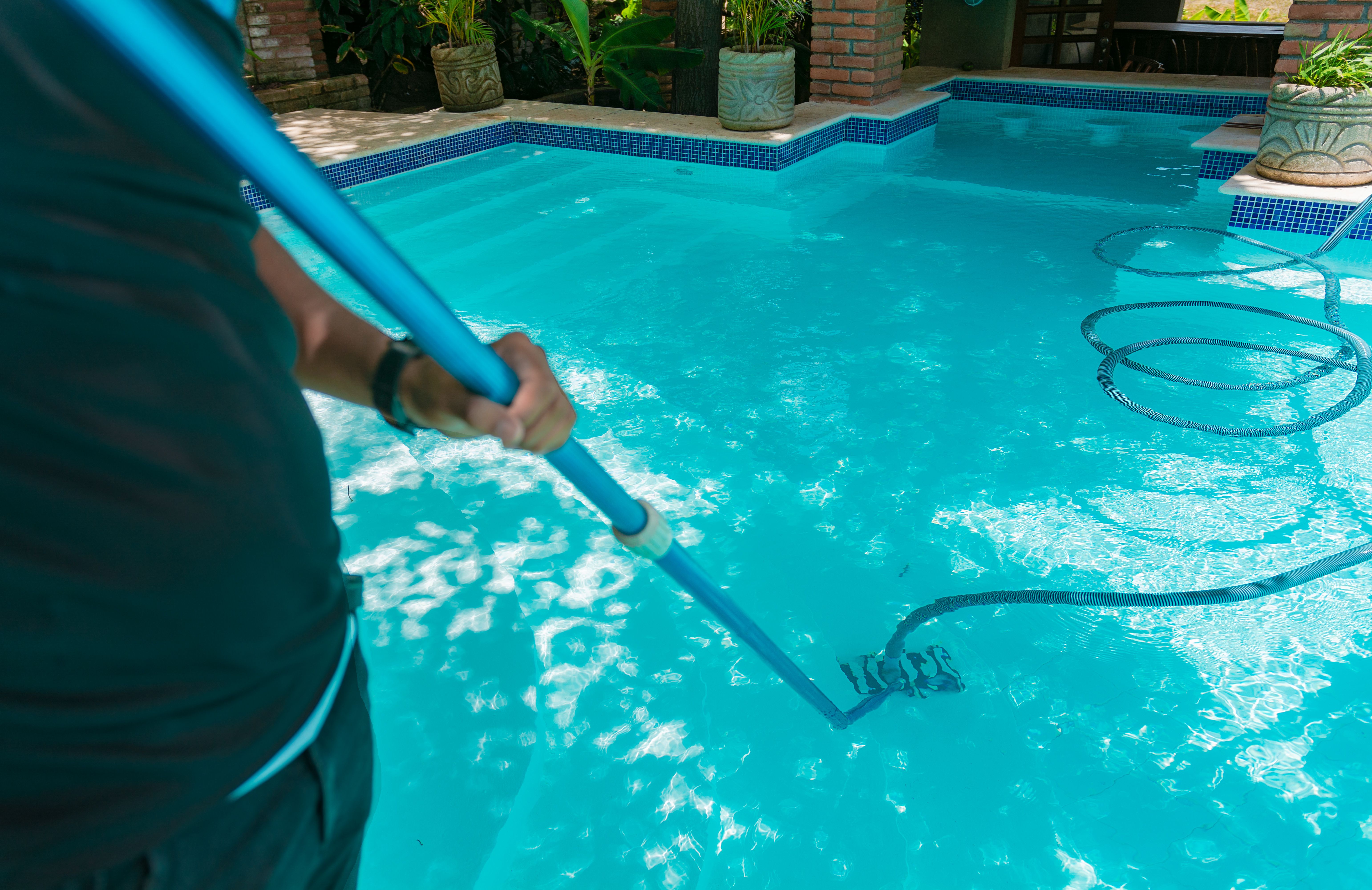
Vacuuming is an essential step in keeping your pool spotless. Automatic pool vacuums are a convenient option, but manual vacuums can be just as effective if used correctly. Vacuum your pool at least once a week, or more often if it's heavily used.
Begin by attaching the vacuum head to the telescopic pole and hose. Submerge the vacuum head in the pool, ensuring all air is expelled from the hose before connecting it to the pump. Move the vacuum slowly across the pool floor to ensure thorough cleaning.
Balancing Pool Chemicals
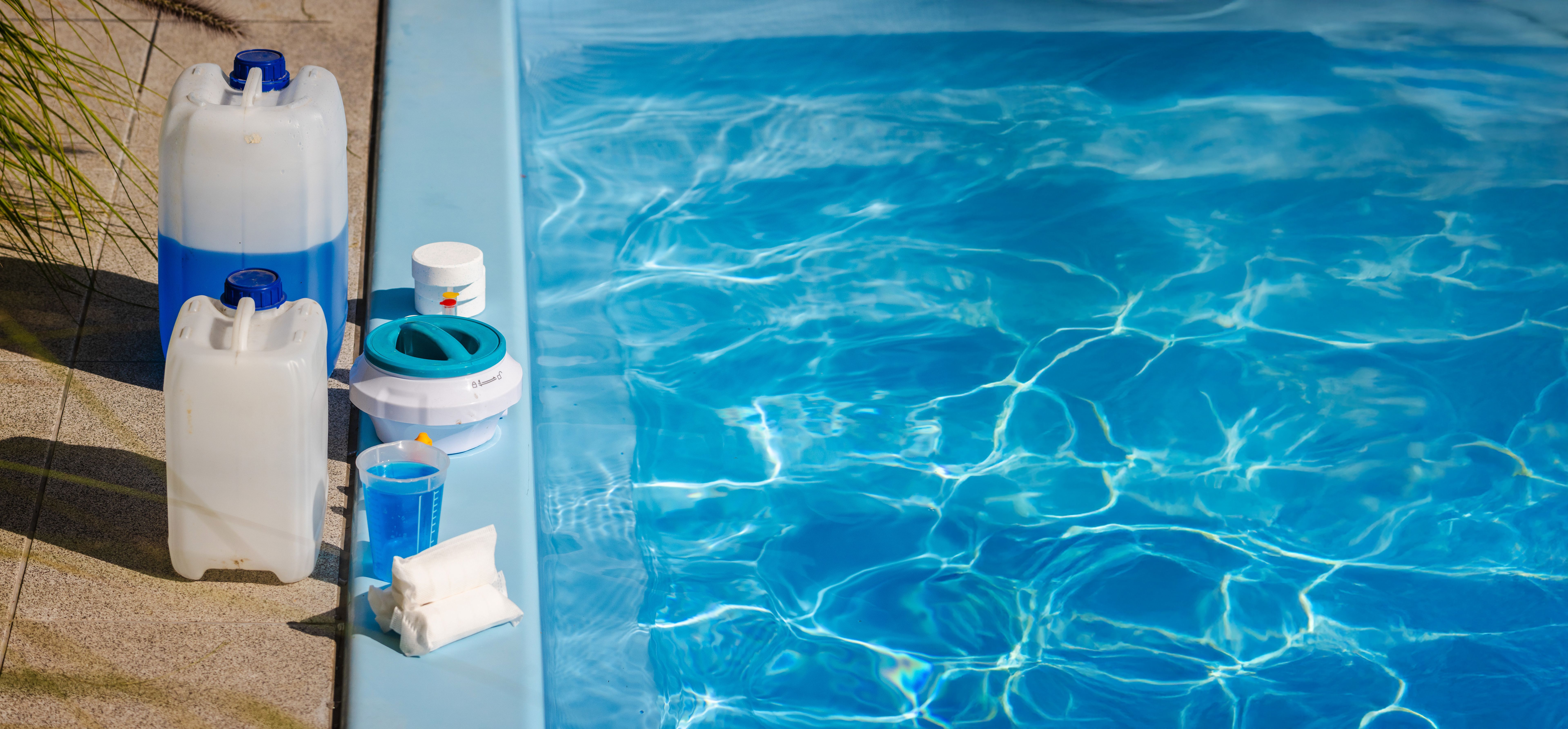
Maintaining the right chemical balance in your pool is crucial for both cleanliness and safety. Regularly test your pool water for pH levels, chlorine, and alkalinity using a reliable water testing kit. The ideal pH level is between 7.2 and 7.8, while chlorine should be between 1 and 3 parts per million (ppm).
If you notice any imbalances, adjust the chemical levels accordingly. This might involve adding chlorine, pH increaser, or decreaser. Always follow the manufacturer's instructions when adding chemicals to ensure safe swimming conditions.
Maintaining Your Pool Filter
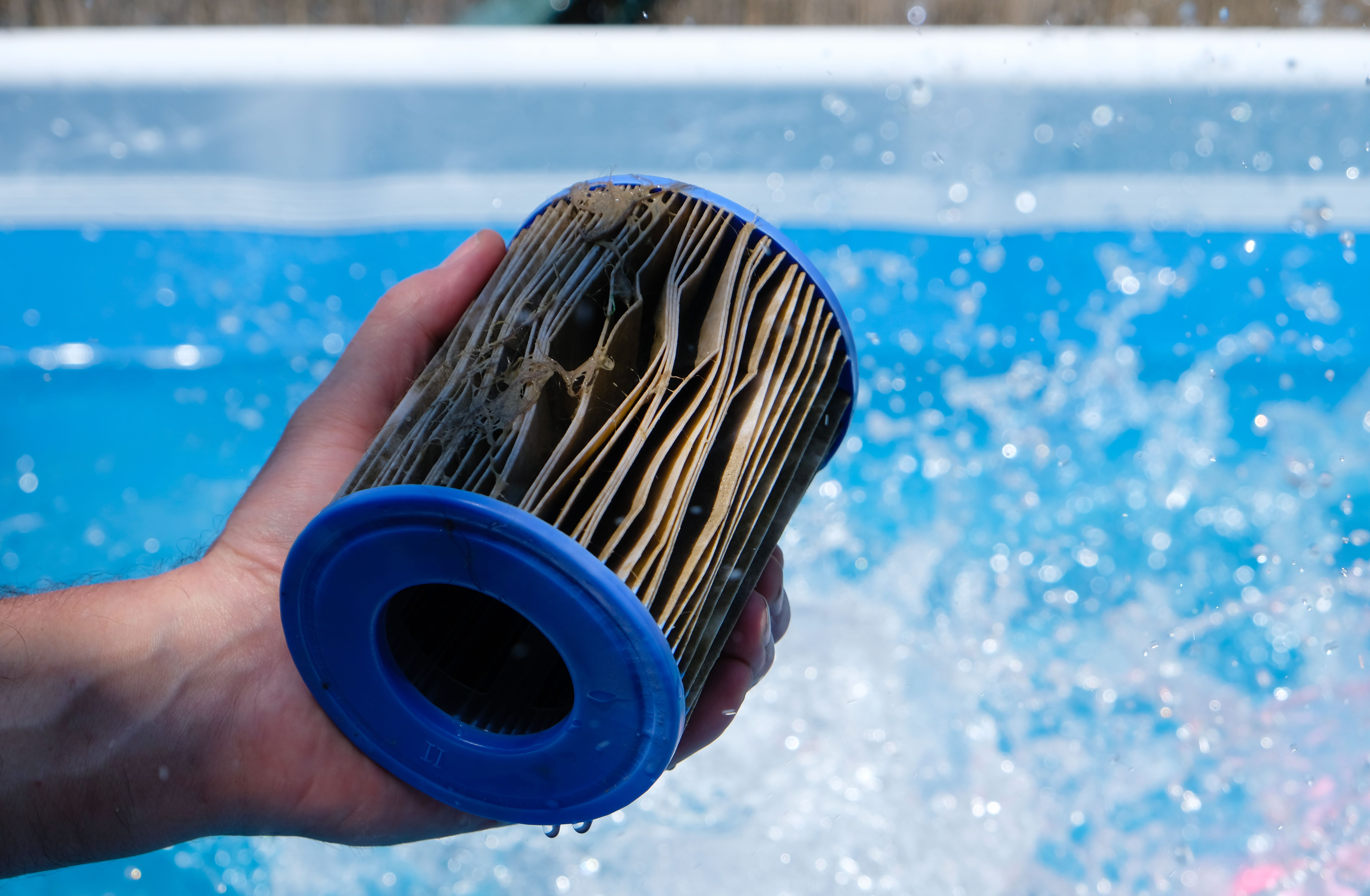
Your pool filter plays a vital role in removing impurities from the water. Regular cleaning and maintenance of the filter system are necessary to keep it functioning efficiently. Depending on your filter type—sand, cartridge, or diatomaceous earth (DE)—the cleaning process may vary.
Inspect your filter system at least once a month and clean or replace it as needed. A clean filter not only improves water quality but also reduces strain on your pool's pump.
Conclusion
By following these DIY pool cleaning tips, Clark County residents can enjoy a clean, inviting pool all season long. Regular maintenance not only enhances your swimming experience but also protects your investment. With consistent effort and the right tools, you can ensure your pool remains a refreshing oasis.