10 Common Pool Cleaning Mistakes and How to Avoid Them
TS
Introduction
Keeping your pool clean and sparkling requires regular maintenance, but even seasoned pool owners can make mistakes. Avoiding common errors can save you time, money, and frustration. Here, we’ll explore ten common pool cleaning mistakes and how you can avoid them.
Neglecting pH Levels
One of the most crucial aspects of pool maintenance is maintaining the right pH balance. If the pH is too high or too low, it can lead to skin irritation and damage to the pool equipment. Use a reliable testing kit to check your pool’s pH levels regularly and adjust as needed. Aim to keep the pH between 7.2 and 7.8 for optimal conditions.
How to Correct pH Imbalance
If you notice an imbalance, you can use pH increasers or reducers to adjust the levels. Regular testing is key to preventing long-term issues.
Overlooking the Skimmer Basket
The skimmer basket plays a significant role in trapping debris before it sinks to the bottom of the pool. However, it can quickly become clogged, reducing its efficiency. Make it a habit to check and clean the skimmer basket at least once a week.
Consequences of a Clogged Skimmer
A clogged skimmer can lead to poor water circulation and increase the workload on your pool pump, potentially causing damage over time.
Ignoring the Water Level
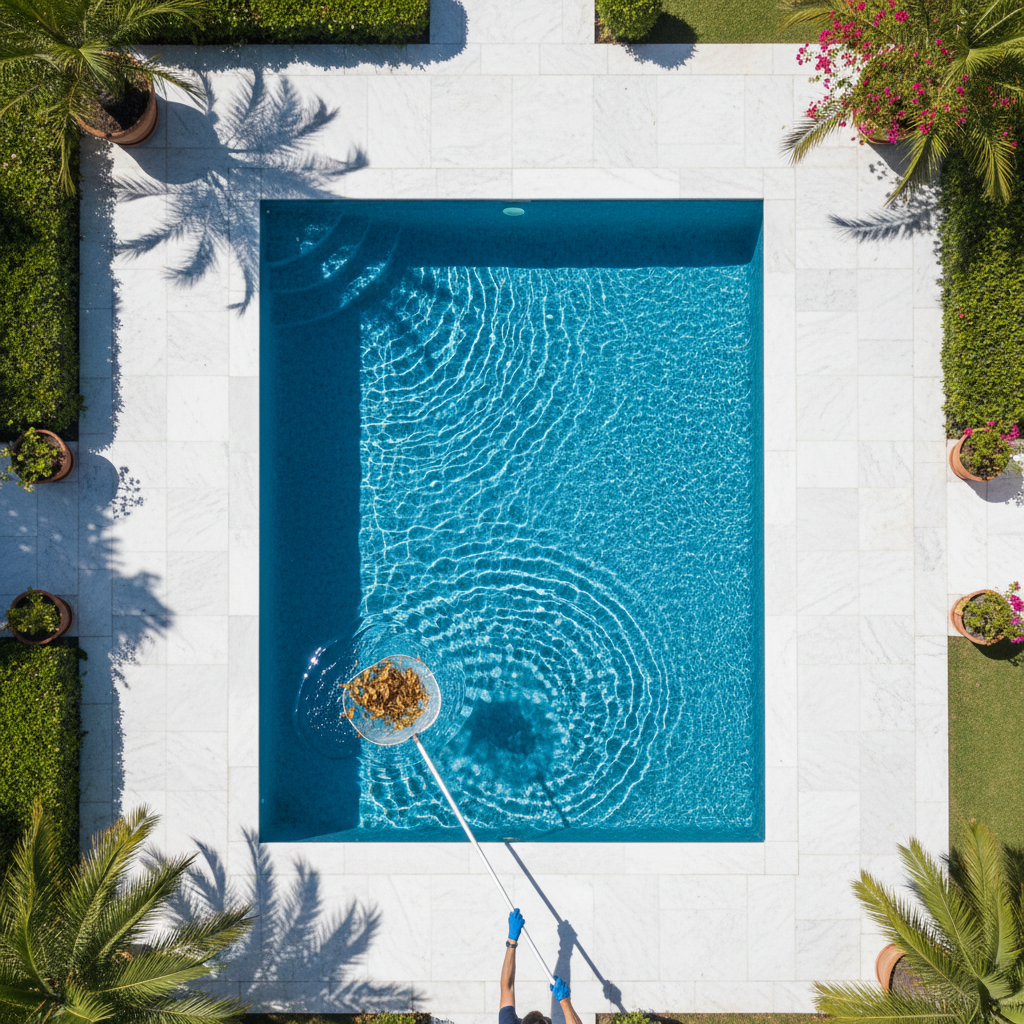
Maintaining the correct water level is essential for the proper functioning of your pool’s skimmer and pump. If the water level is too low, the pump may run dry and overheat. Conversely, if it’s too high, the skimmer won’t work efficiently.
Tips for Maintaining Water Levels
Check your pool’s water level regularly and adjust as necessary, especially after heavy rain or during periods of intense evaporation.
Using Too Much or Too Little Chlorine
Chlorine is vital for keeping your pool free from algae and bacteria, but using too much or too little can cause problems. Excessive chlorine can lead to skin and eye irritation, while insufficient amounts can allow harmful organisms to thrive.
Finding the Right Balance
Test your pool’s chlorine levels regularly and aim for the recommended range of 1 to 3 parts per million (ppm) for safe swimming conditions.
Not Brushing the Pool Walls
Algae and other debris can cling to pool walls, leading to unsightly stains and slippery surfaces. Regular brushing helps prevent buildup and keeps your pool looking pristine.
Effective Brushing Techniques
Use a pool brush with the appropriate bristles for your pool’s surface type and brush the walls and floor at least once a week.
Conclusion
By being aware of these common pool cleaning mistakes and taking proactive steps to avoid them, you can ensure a clean, safe, and enjoyable swimming experience. Regular maintenance and attention to detail are key to keeping your pool in top condition.